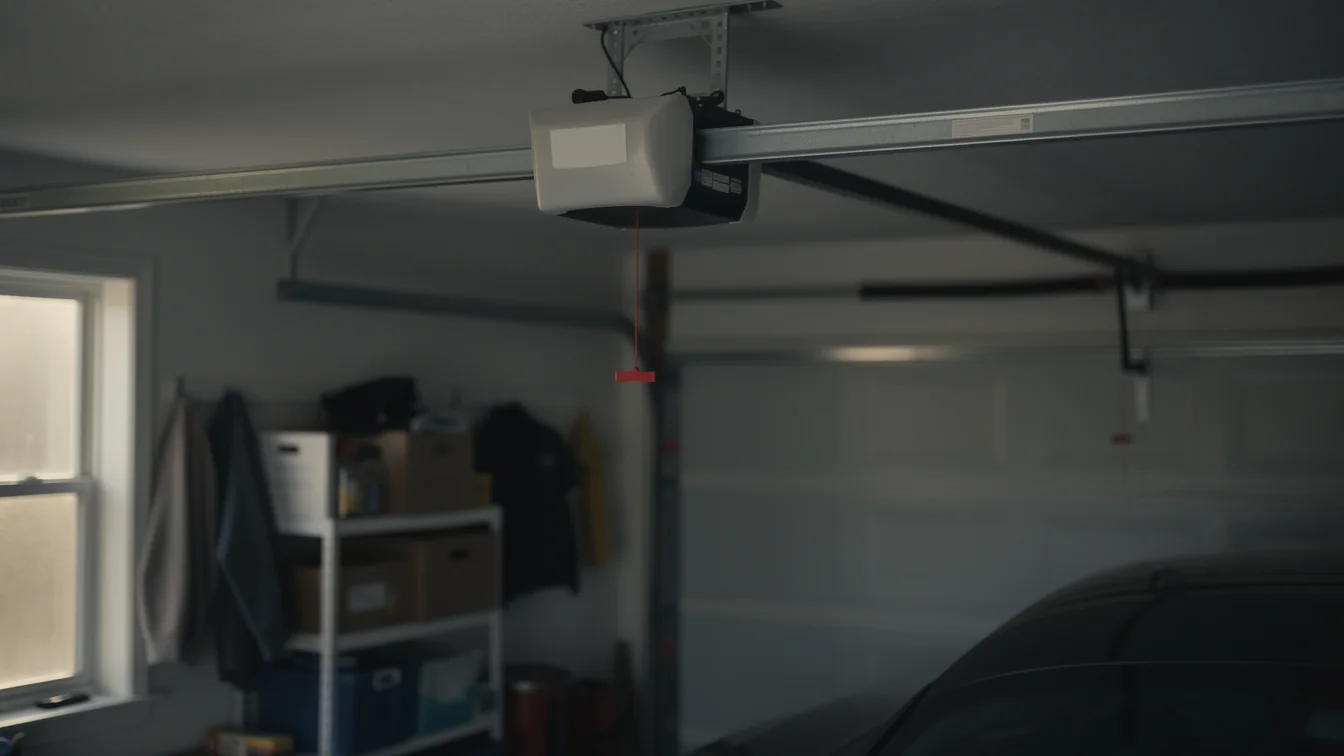
When the Power Goes Out, Your Opener Doesn't Know What Year It Is
Fredericksburg homes built mostly between 1973 and 2001 run openers that weren't built for today's power blips.
Read moreBlogFredericksburg, VA · 4 min read
Most Fredericksburg garage doors went up between 1973 and 2001. Here's what that era of construction and our climate actually mean for upkeep.
Local detail
A lot of garage door advice tells you to do things on a schedule whether your door needs it or not. We're not going to do that here. Most housing in this part of Fredericksburg went up between 1973 and 2001, with the bulk of it dating to the 1980s and 90s across the six main residential areas in the service area. That's a specific window - old enough that original hardware is wearing out on schedule, new enough that it's not yet collector's-item stuff nobody can source. If your door is from that build era and it's opening, closing, and reversing when it should, leave it alone. Spraying silicone on everything or replacing rollers that aren't worn is money spent on a door that wasn't asking for it. The honest version of maintenance on a 30-to-45-year-old door is watching for the specific failure points that era produces, not running a checklist built for a brand-new install or a 1950s door with completely different hardware.
The area
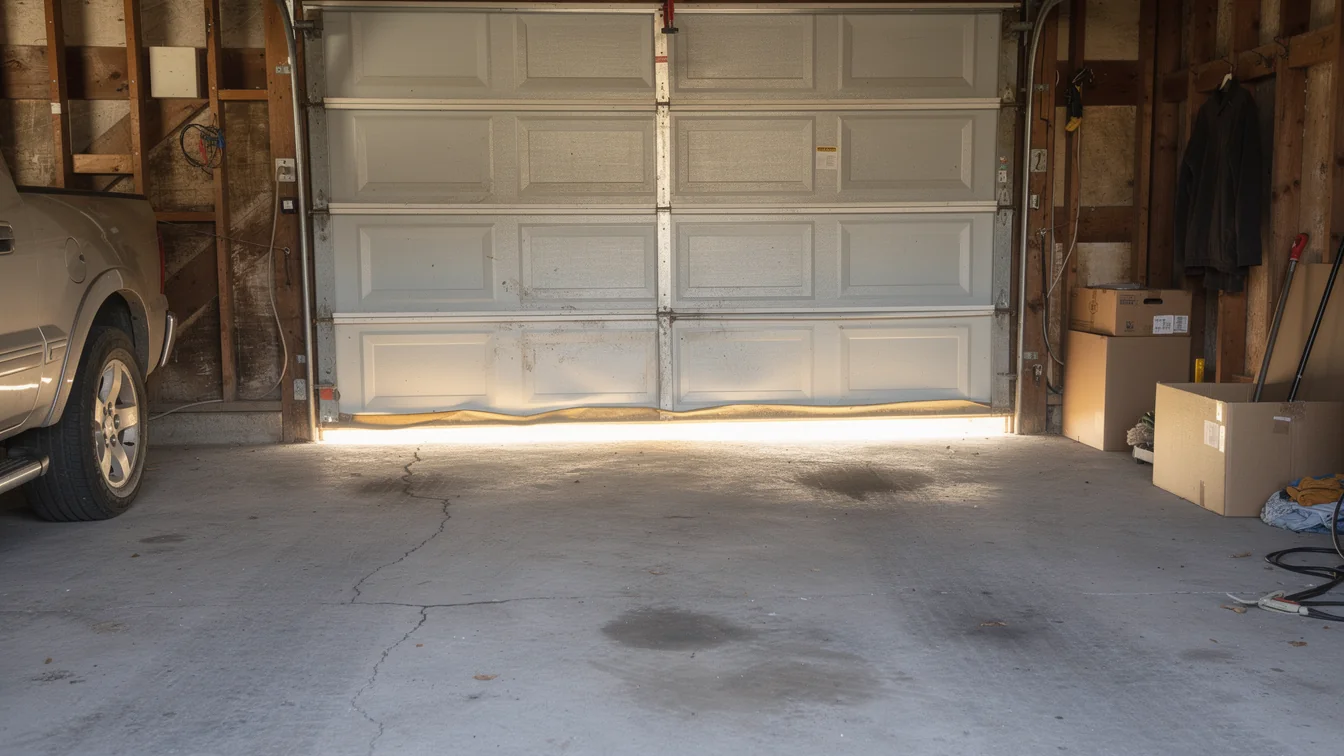
Fredericksburg sits in a cold-moderate climate band, not the deep freeze further north and not the mild winters of the coast. That matters for a garage door because it means real freeze-thaw cycling through the winter months - temperatures swing across the freezing line repeatedly rather than staying locked below it. On a door built in the 1980s or 90s, that cycling works on two things: the weatherstripping at the bottom panel, which hardens and cracks faster under repeated freeze-thaw than under steady cold, and the lubrication on torsion springs and hinges, which thickens in the cold and strips the thin film of oil the hardware needs. Neither of these is dramatic. They show up as a door that sounds rougher in January than it did in August, or a bottom seal that's letting in more draft than it used to. It's not damage from one storm - it's the slow effect of a climate that crosses the freeze line a lot instead of a little.
What we find
The practical result of a cold-moderate climate and a housing stock concentrated in the 1973-2001 range is that a big share of garage doors in Fredericksburg, Falmouth, and the surrounding area are hitting the stage where original springs and original openers are past their expected working life at the same time. That's not a coincidence of bad luck - it's just what happens when a lot of houses were built in a tight window and the hardware inside them ages on the same clock. If you're in Falmouth or closer to Spotsylvania Courthouse, the build dates skew the same direction, so the same pattern applies. The honest limitation here: we can't tell you from a general article whether your specific spring or opener is at end of life. That takes someone looking at the actual coil wear or motor noise in person. What we can tell you is that if your door is original to a house from this era, age alone is a reasonable thing to be paying attention to, not a reason to panic.
How we work
Start with the bottom seal - on a door from the 1980s or 90s, run a hand along it on a cold morning and feel for stiffness or cracking, since that's the part freeze-thaw cycling hits first. Next, listen to the opener on a cold start versus a warm afternoon; a noticeable grind in cold weather that smooths out later in the day points to lubrication thickening, not a failing motor. Check the torsion spring visually for gaps in the coil - on original hardware from this build era, that's the part most likely to be near the end of its cycle count. If your door is original to a house built in the 1973-2001 window and you haven't had the springs or cables looked at, that's the one thing worth a call rather than a guess, since a spring failure under load is the one garage door problem that can actually hurt someone.
Questions
Not automatically. A lot of Fredericksburg houses are from that decade, and plenty of those doors are still running fine on original hardware. Age is a reason to pay attention to spring wear and seal condition, not a reason to replace a door that's still working correctly.
Fredericksburg's cold-moderate climate means real freeze-thaw cycling through winter, which thickens lubrication on springs and hinges and can make an otherwise fine door sound rougher until temperatures warm back up.
If it's cracked or stiff from repeated freeze-thaw exposure, replacing the bottom seal is a reasonable DIY job on most doors from this build era. Springs and cables are a different matter and aren't a safe do-it-yourself repair.
Recommendation
More garage door guides for Fredericksburg homeowners.
Fredericksburg homes built mostly between 1973 and 2001 run openers that weren't built for today's power blips.
Read more
A look at what a garage door service call actually checks on Fredericksburg houses built between 1973 and 2001, and why the local climate changes what matters.
Read more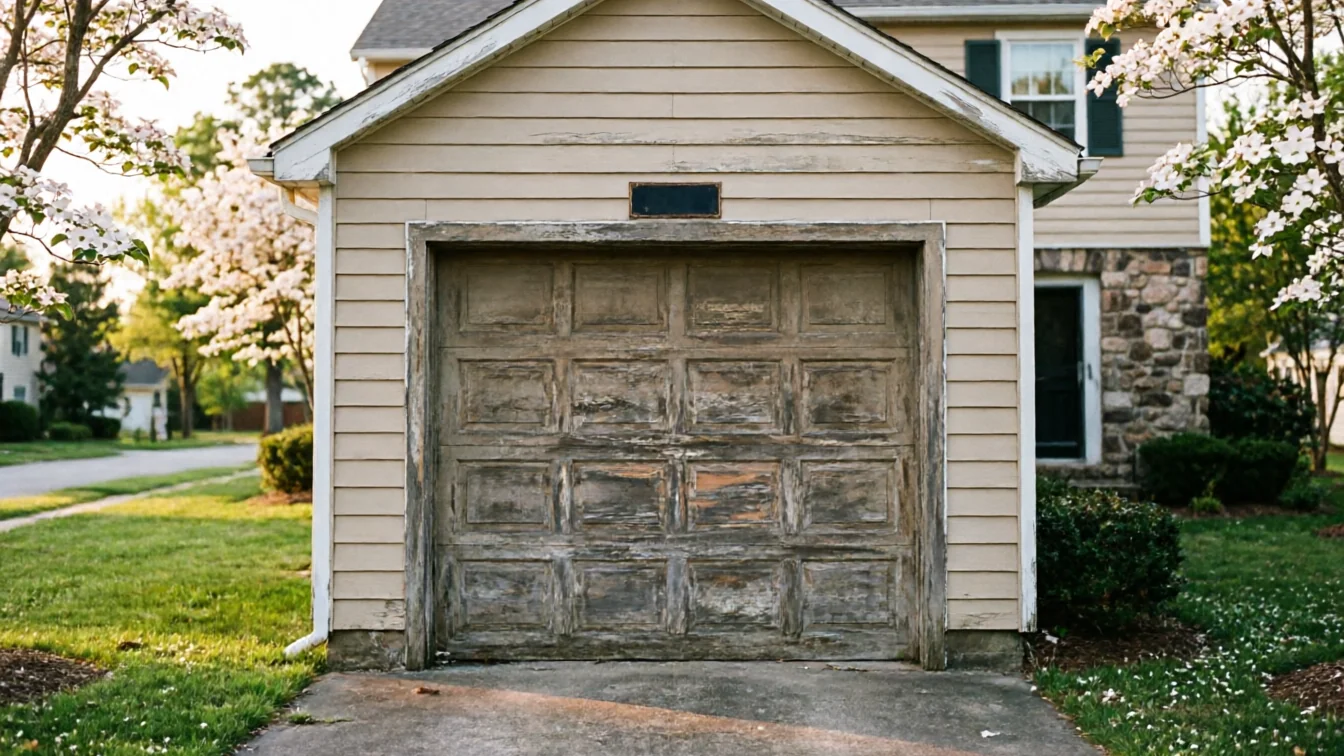
A look at when a garage door built during Fredericksburg's 1973-2001 construction boom is worth repairing versus replacing, based on local housing stock and climate.
Read moreReady when you are
Fredericksburg Garage Door Pros repairs and installs garage doors, springs and openers in Fredericksburg, VA and the surrounding area.