
Falmouth, Fredericksburg
Keeping Falmouth's 1980-Era Garage Doors Running Right
Falmouth homes mostly went up around 1980, a decade before the rest of the service area. That age brings specific spring, track, and opener wear we service from nearby Fredericksburg.
Stocked Parts
Falmouth's housing stock centers on 1980, which is roughly ten years ahead of the median build year across the wider service area. That decade matters for parts.
Galvanized extension springs
Doors from this era commonly ran galvanized extension springs or early torsion setups, steel track that's thinner than what goes in new builds, and rollers sized differently than today's standard.
Track sections and roller hardware
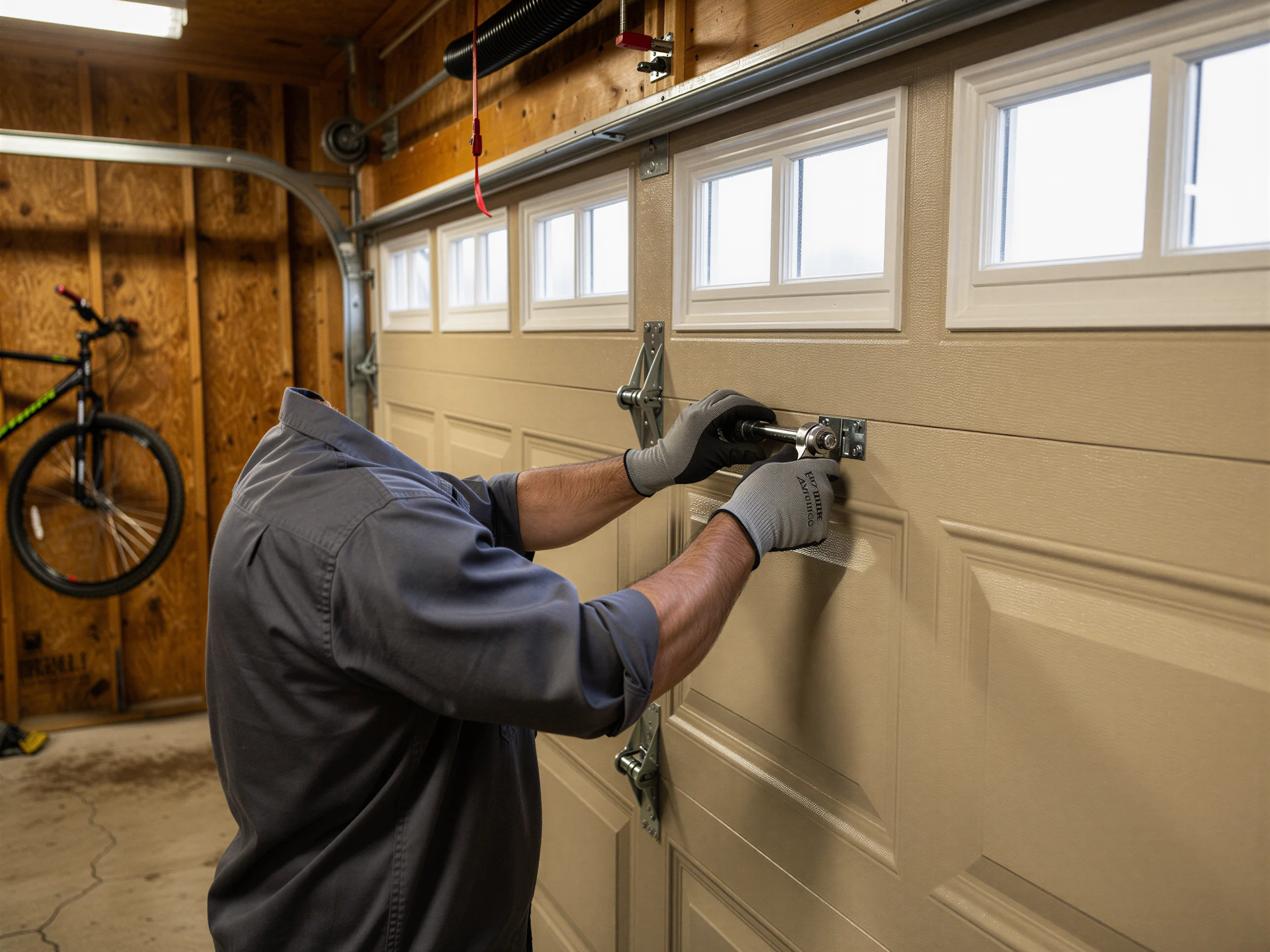
We carry extension and torsion springs sized for that generation of door, along with track sections and roller hardware that match what's actually bolted up in these garages rather than only what's sold for new construction. What we don't stock on the truck: obsolete opener logic boards from first-generation chain-drive units.
Original opener special orders
If a door here still runs its original 1980s opener, the motor housing or circuit board sometimes has to be special-ordered, and that can mean a short wait rather than a same-visit fix. We'll tell you up front if that's the case rather than pretend otherwise.
What You Pay
We don't post a flat maintenance price here because the job scope depends on what's actually on the door - a tune-up on a newer torsion system takes less time than resetting cable tension and lubricating track on a 1980-era door with extension springs. Falmouth's median household income runs well above the broader service area's figure of $103,644, and we mention that only because it tends to mean homeowners here are replacing worn opener gears and cracked panels sooner rather than running them to failure, which keeps repair visits shorter and cheaper than a full teardown.
We price the visit after we look at the door, not before. That's not a dodge - it's because a spring adjustment and a full hardware replacement aren't the same job, and quoting one price for both would be guessing.
The Complications
A door built around 1980 has had roughly four and a half decades of winters to work on its hardware. The regional climate here sits in the cold-moderate band, which means freeze-thaw cycling on steel track brackets and lag bolts - the fasteners back out a little each season, and by now plenty of them are loose enough to let the track rack out of plumb. That shows up as a door that binds partway through its travel, often misdiagnosed as a bad opener when it's really a track alignment problem.
Extension spring setups from this period also lack the safety cables that became standard later. If a spring lets go, there's nothing keeping it from coming off the track end. That's one of the first things we check on older Falmouth doors, and if it's missing, we flag it before touching anything else - it's a safety item, not an optional upgrade.
What the Repair Takes
On a door of this age, a maintenance visit usually means checking spring tension, inspecting track alignment at the brackets, lubricating rollers and hinges, and testing the opener's force settings - because force settings drift over years and an opener that's been recalibrated once or twice tends to run harder than it should, straining the drive gear.
Bracket and cable load
We also check the bottom bracket and cables, since extension spring systems from the early '80s put more load on those parts than a torsion system does. We're a two-mile drive from our Fredericksburg base to reach most of Falmouth, so getting a tech out isn't the holdup - what can take longer is sourcing a specific part for an original door that's never been touched.
Measure and order to match
If a cable or bracket is a nonstandard size from that generation, we measure on site and order to match rather than force a modern part that's close but not right.
The Symptom
The complaint we hear most from this area is a door that hesitates or reverses partway up, especially in cold mornings. On a 1980-era door, that's rarely the opener's fault first. It's usually a spring that's lost tension over the decades, or a track bracket that's worked loose enough to pinch the roller path. The opener senses the extra resistance and reverses to protect itself, which looks like an opener problem but isn't one.
A second common symptom: a loud bang or pop from the garage, followed by a door that won't lift at all. That's almost always a spring failure, and on an extension-spring door without a safety cable, it's also the one we treat as urgent rather than routine, since the spring has nowhere to go but loose.
Doing It Yourself
Lubricating hinges and rollers with a garage-door-specific lubricant, and visually checking that the bottom brackets and track bolts aren't visibly loose, are reasonable homeowner tasks on any door, including the 1980s stock common in Falmouth. Check the auto-reverse by placing a block of wood in the door's path and confirming it stops and reverses - that test matters more on an older opener where the safety sensors may have been added after the original install rather than built in.
What we don't recommend doing yourself: touching the spring itself, torsion or extension, or disconnecting cables under tension. On a door this age the hardware has had more time to fatigue, and a spring under load doesn't give a second warning before it lets go. That's the one line we draw firmly, regardless of how handy you are.
Questions
Common questions
Why does my garage door bind or stick more in winter here?
The climate here runs cold-moderate, with enough freeze-thaw cycling to work fasteners loose on track brackets over the years. On a door built around 1980, those brackets have had decades to shift, so cold mornings often expose misalignment that was already there but hadn't caused a problem yet.
Is my original 1980s opener worth repairing?
Sometimes, sometimes not. If the motor and gears are sound but the logic board has failed, parts can be hard to source and a replacement unit may cost less than the wait. We'll tell you which situation you're in after we open it up rather than guess over the phone.
Do I need a spring safety cable if my door still works fine?
If your door is from the early 1980s and uses extension springs, it likely predates safety cables becoming standard. The door working fine now doesn't mean the spring is safe if it breaks - the cable is what keeps a broken spring from flying off the track end, so it's worth adding even on a door with no current complaint.
How far out do you travel to reach Falmouth?
We cover Falmouth from our base in Fredericksburg, about two miles away, so it's a short trip for a standard maintenance visit or repair call.
Explore more
More Services in Falmouth
Cable Repair
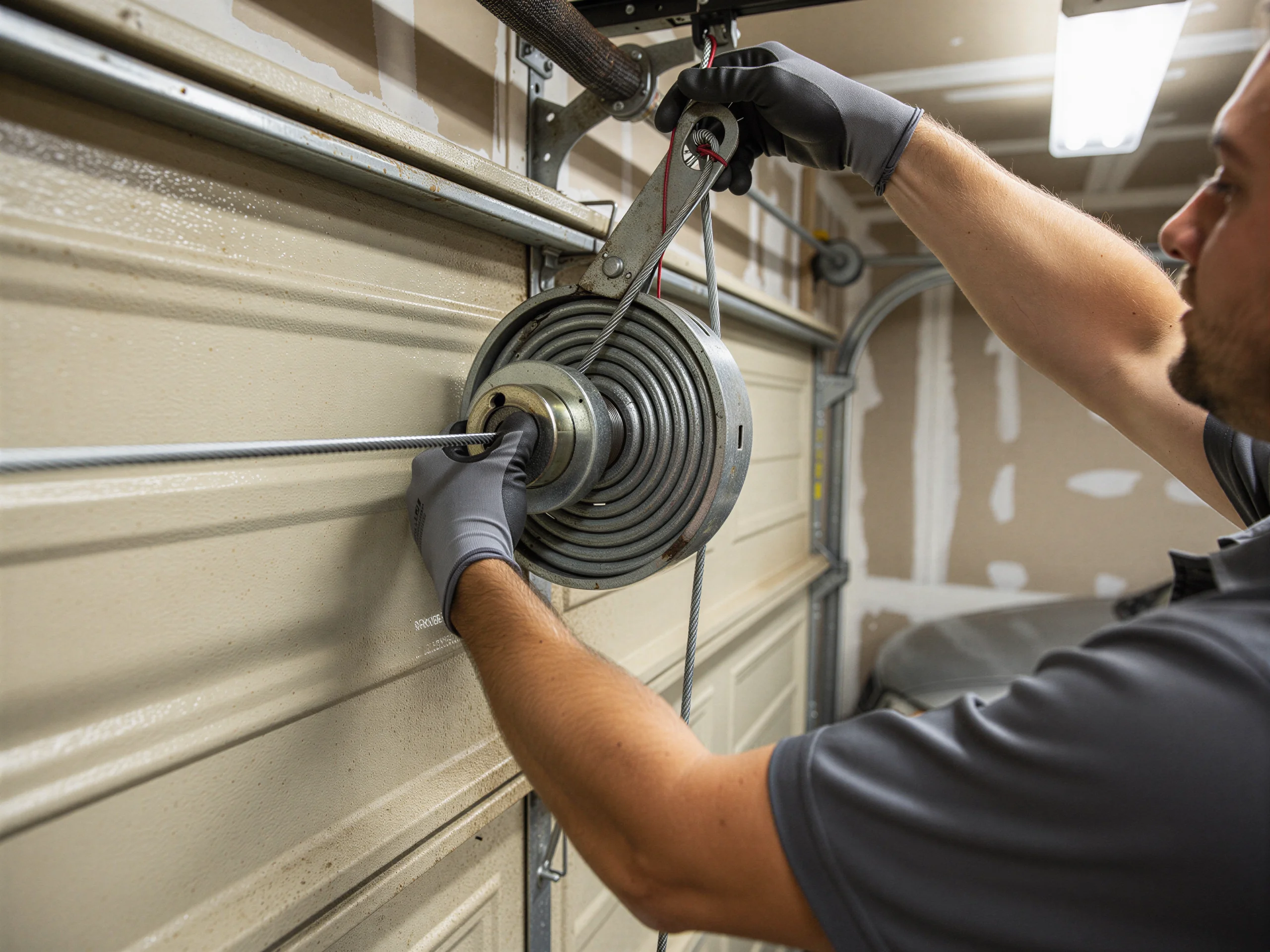
Falmouth's houses mostly date to 1980, a decade ahead of the wider Fredericksburg service area's 1991 median. Learn more →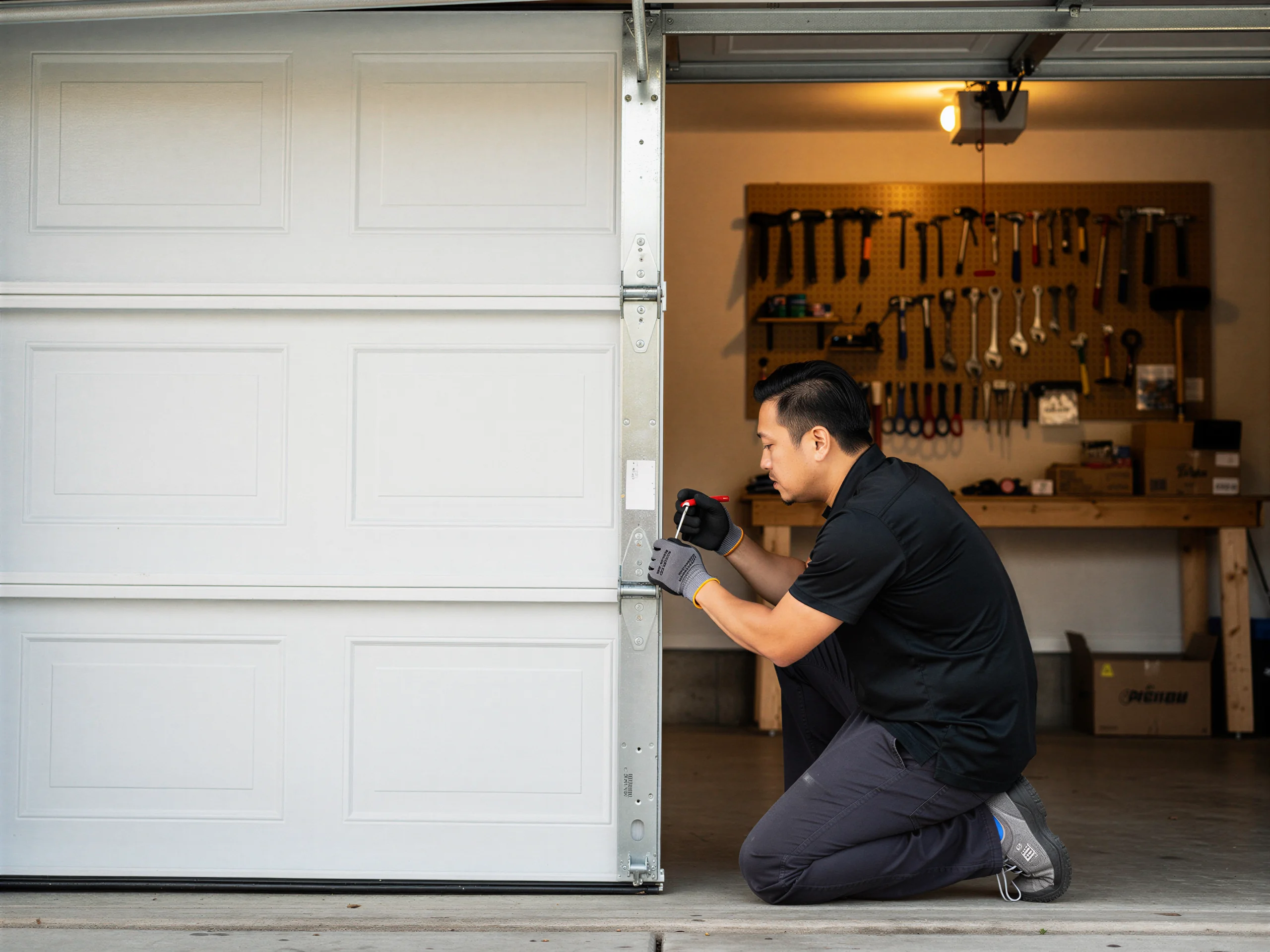
Garage Door Repair
Falmouth sits two miles from Fredericksburg, and most of its houses date to around 1980 - old enough that original torsion hardware is starting to fail for real. Learn more →
Garage Door Service
Falmouth is a small, close-in suburb of about 1,988 households built mostly around 1980. Learn more →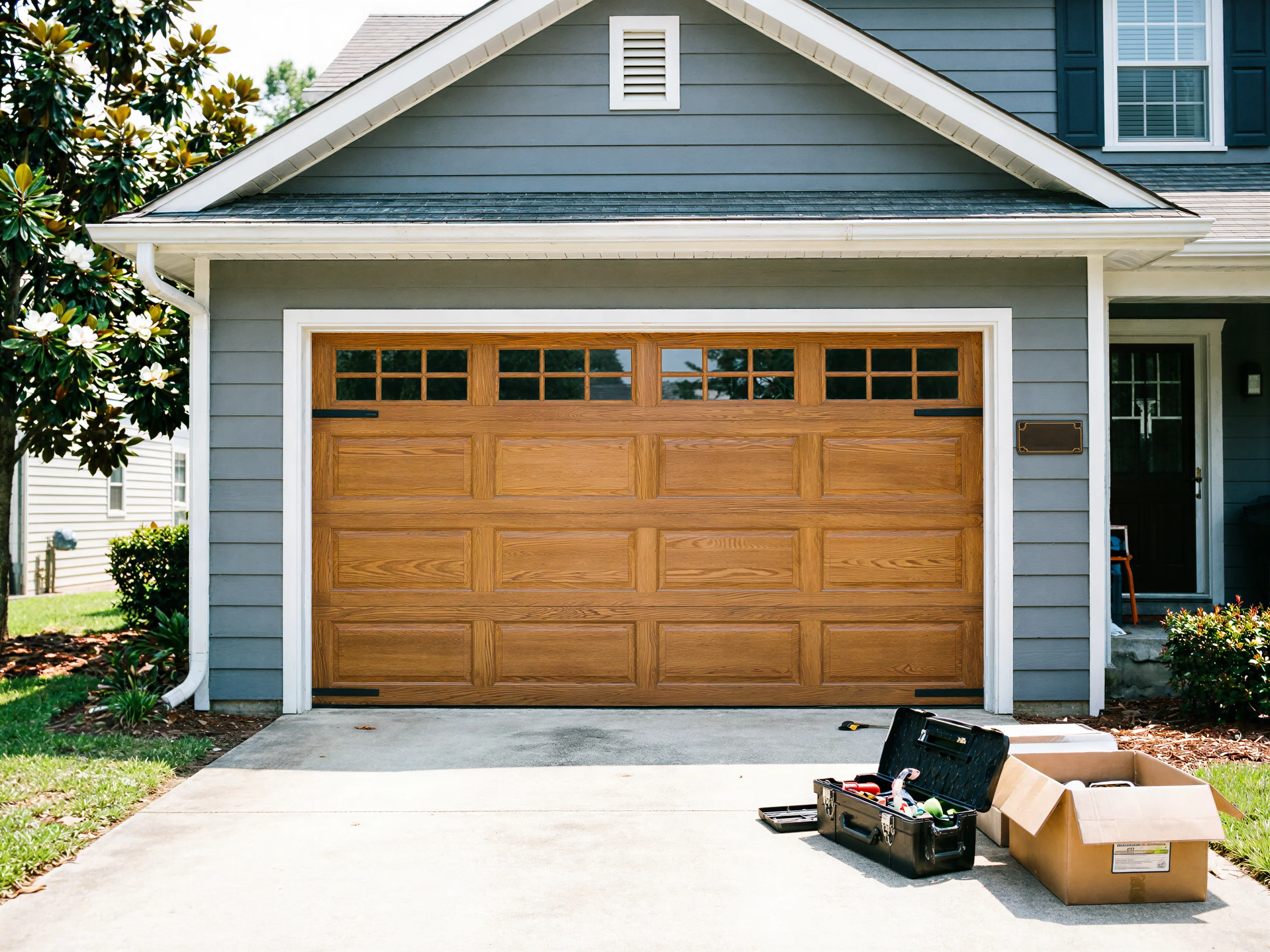
New Door Installation
New garage door installation in Falmouth, VA, 2 miles from our Fredericksburg shop. Learn more →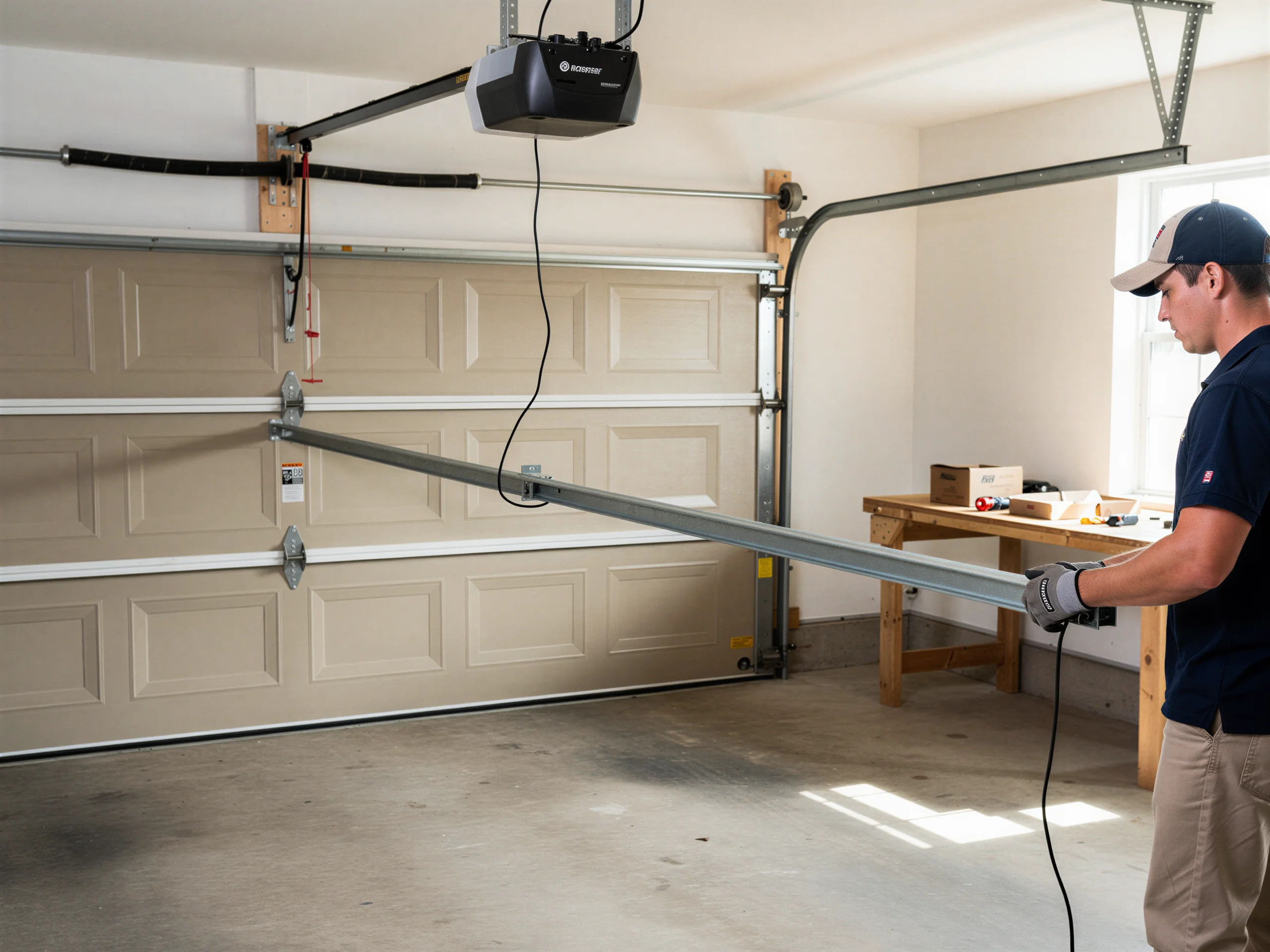
Opener Installation
Falmouth homes run older than the area median build year, which means openers here often still carry original 1980s brackets and wiring. Learn more →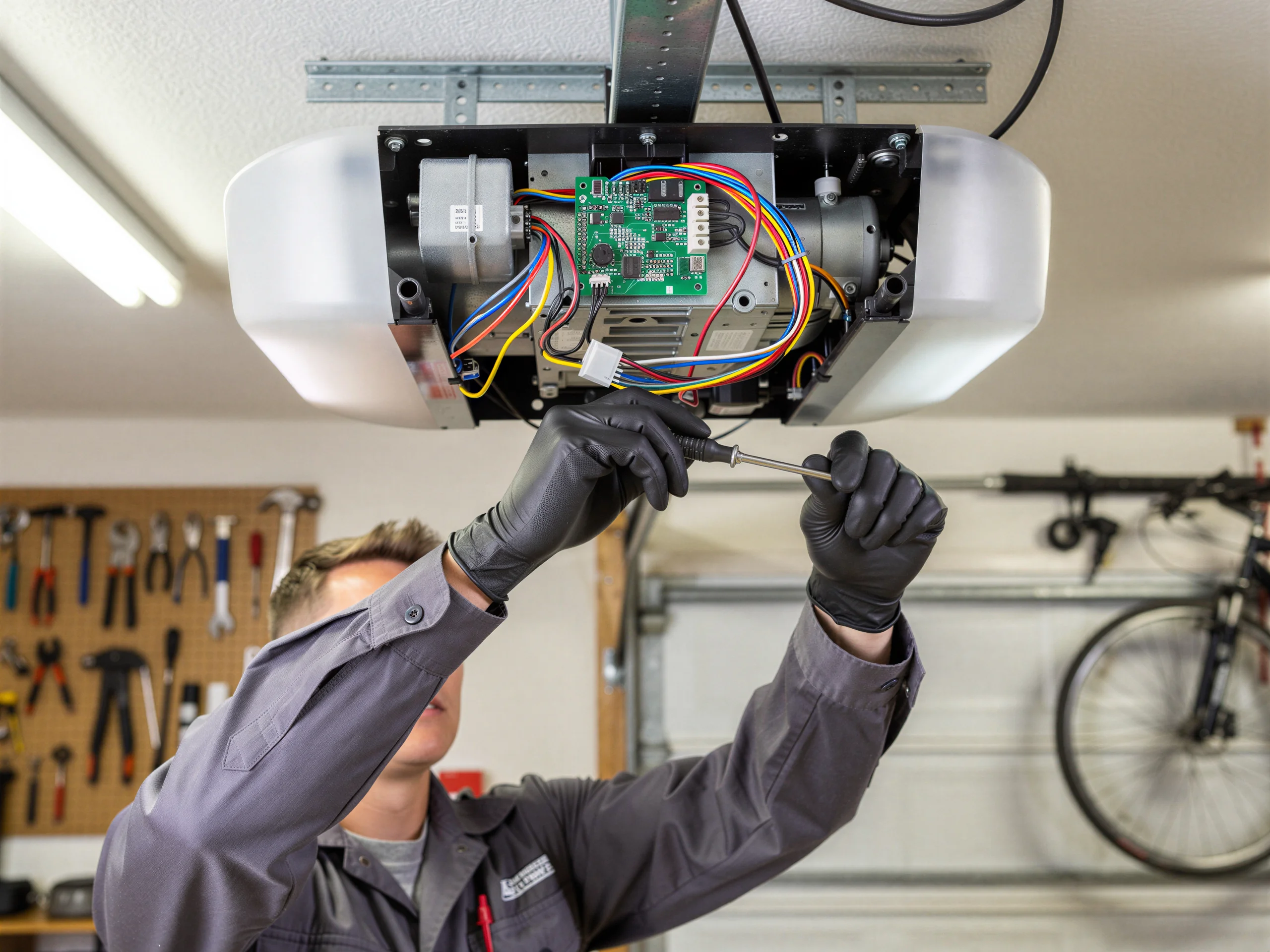
Panel Replacement
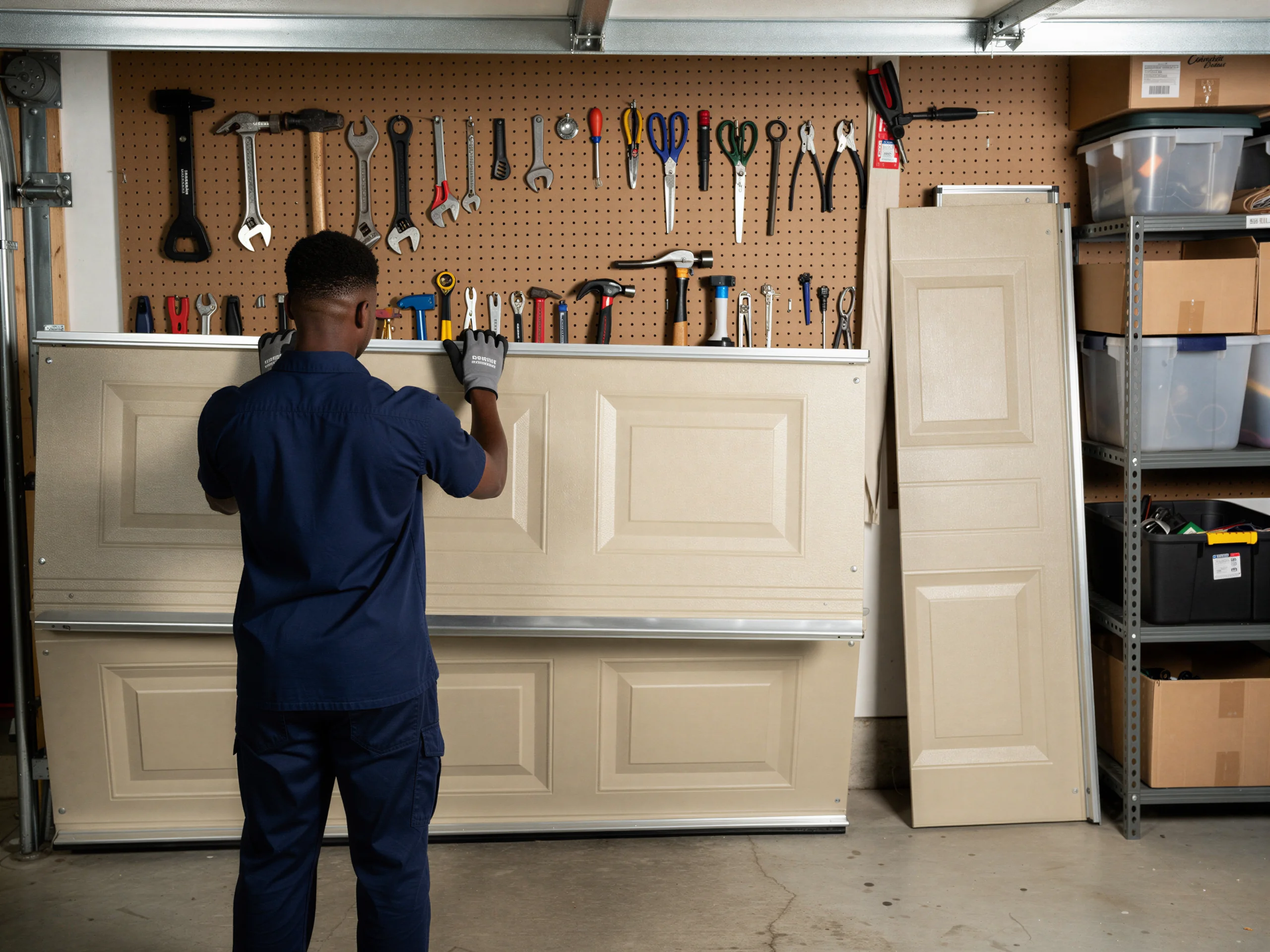
Falmouth homes went up mostly around 1980, which means a specific generation of steel sectional doors. Learn more →Ready when you are
Time for a garage door tune-up in Falmouth?
Fredericksburg Garage Door Pros repairs and installs garage doors, springs and openers in Fredericksburg, VA and the surrounding area.